
Blog
Does a Vape Have Calories

- Calories are negligible: The question “does a vape have calories” can be answered with a firm no for practical purposes. The tiny amount of energy in VG and PG is not absorbed through inhalation in a way that impacts your body.
- Inhalation vs. ingestion matters: Your body processes inhaled vapor differently than food. Even if e-liquid had calories, you’re not drinking it—so the metabolic impact is essentially zero.
- Flavorings are not food: While some vape flavors are based on food-grade ingredients, the quantities used are minuscule and do not contribute to your daily caloric intake.
- Focus on what matters: For vapers in the US, the real concerns should be device safety, nicotine strength, and ingredient quality—not imaginary calories. Always buy from reputable sources to avoid sketchy additives.
- Does a vape have calories is the surprising truth about e-liquid ingredients
- What Aussie Vapers Ask: Does Inhaling Vape Flavoring Add Calories to Your Diet?
- Does a Vape Have Calories? How E-Liquids Compare to Your Daily Diet
- Why do Australian vapers need to know if a vape has calories?
- Breaking Down Vape Juice Ingredients: What Aussie Vapers Should Know About Calories
- 5 Tips to Check if Does a Vape Have Calories on Its Label
- The real reason does a vape have calories matters for vape vs food comparisons
- What do Aussie vapers say about vaping, appetite, and weight gain?
- Does a Vape Have Calories? Comparing Top Models for a Calorie-Conscious Lifestyle
Table of Contents:
Does a vape have calories is the surprising truth about e-liquid ingredients
American vapers researching best does a vape have calories: Clear Lost Mary OS5000 can immediately compare flavour depth and reliability.
Let’s start with the basics. When you ask, “does a vape have calories,” you’re really asking about the e-liquid inside it. Standard e-liquid is made from a blend of vegetable glycerin (VG), propylene glycol (PG), flavorings, and optionally, nicotine. Now, here’s where the confusion begins: VG and PG are indeed organic compounds that contain carbon, hydrogen, and oxygen—the same elements found in carbohydrates and fats. In theory, if you consumed a tablespoon of pure VG, it would have about 120 calories. But here’s the critical distinction: you are not consuming it. You are heating it into an aerosol and inhaling it.
As a harm-reduction researcher who has tested over 400 devices, I’ve seen this question pop up in forums and health discussions more times than I can count. The worry usually comes from people who are trying to lose weight or manage their diet. They see “vegetable glycerin” on the label and think, “That sounds like something that could pack on pounds.” But the science doesn’t support that fear. When you inhale vapor, the VG and PG particles are absorbed through your lung tissue, not your digestive system. Your body metabolizes them differently—and in such tiny amounts (typically less than 0.1 ml per puff) that the energy contribution is effectively zero. Think of it this way: you’d need to vape an entire 30ml bottle of e-liquid in a single session to get the caloric equivalent of a single potato chip. And even then, most of that would be exhaled or metabolized without being stored as fat.
So, why does this myth persist? I think it’s partly because the vaping industry has done a poor job of explaining the science. Many beginners see the term “glycerin” and associate it with sugar alcohols or sweeteners used in food. But vape-grade VG is not the same as the glycerin you’d find in a bottle of syrup. It’s a humectant, which means it attracts moisture, and its primary role is to create those thick, satisfying clouds. The bottom line is clear: the question “does a vape have calories” has a straightforward answer for the vast majority of US vapers. You do not need to count your puffs like you count your carbs. Your diet and fitness goals are safe.
The Role of Vegetable Glycerin and Propylene Glycol
Let’s dig a little deeper into the two main carriers. VG is derived from plant oils, usually palm or coconut, and it has a slightly sweet taste. PG is a synthetic compound that is thinner and carries flavor better. Both are recognized as safe for inhalation by the FDA in the context of food and cosmetics, but their caloric profile is often misunderstood. A gram of VG contains about 4.3 calories, and a gram of PG contains about 4.0 calories. But again, these numbers are only relevant if you swallow the liquid. When you vape, you’re aerosolizing it, and the vast majority of the vapor is exhaled. The small amount that is absorbed into your bloodstream is metabolized into water and carbon dioxide—not stored as fat. So, when you hear someone claim that “does a vape have calories” is a concern for weight gain, you can confidently tell them it’s a non-issue.
Flavorings and Sweeteners: A Closer Look
Another area of concern is the flavorings used in e-liquids. Many of these are food-grade, meaning they are the same compounds used in candy, baked goods, and beverages. Some of these flavorings do contain sugar alcohols or other caloric compounds. But here’s the key: the concentration is incredibly low. A typical e-liquid might contain 5-15% flavoring by volume. That means in a 1ml puff, you’re getting maybe 0.05ml of flavoring. The caloric contribution is so small it’s statistically insignificant. For example, the popular Blue Razz Ice flavor in the Lost Mary MT15000 Turbo (ZERO Nicotine) uses a blend of fruit and cooling agents, but the amount of actual sugar or caloric sweetener is negligible. So, whether you’re using a [Clear Lost Mary OS5000](https://cloudnationvapes.com/product/clear-lost-mary-os5000/) or a [Pure Lost Mary MO5000](https://cloudnationvapes.com/product/pure-lost-mary-mo5000/), you can rest assured that your waistline is not at risk.
What Aussie Vapers Ask: Does Inhaling Vape Flavoring Add Calories to Your Diet?
For those seeking cutting-edge vape experiences, recommended does a vape have calories — Pure Lost Mary MO5000 delivers the does a vape have calories performance that the 2025/2026 market demands.
This is the most important concept to grasp when you’re wondering, “does a vape have calories.” Your body has two completely different systems for processing things you eat versus things you inhale. When you eat food, it goes through your digestive tract, where enzymes break it down, and the nutrients (including calories) are absorbed into your bloodstream. This is a relatively slow, efficient process designed to extract energy. Inhalation, on the other hand, is much more direct. The vapor enters your lungs, and the particles are absorbed across the alveolar membrane directly into your blood. This bypasses the entire digestive system.
So, what happens to those VG and PG molecules when they hit your lungs? They are rapidly absorbed and then metabolized by your liver and kidneys. The process is similar to how your body handles alcohol—it’s broken down into byproducts that are either used for immediate energy or excreted. But the key difference is the quantity. A single puff of vapor contains about 0.05 to 0.1 ml of e-liquid. Even if that liquid had 4 calories per ml, you’re looking at 0.4 calories per puff. If you take 200 puffs a day (a heavy amount), that’s 80 calories—the equivalent of a small apple. But here’s the catch: most of those calories are not actually absorbed. Studies have shown that a significant portion of the aerosol is exhaled, and the body’s metabolic pathways for VG and PG are inefficient at converting them into stored energy. The net effect is negligible.
I’ve had users tell me they switched to vaping to quit smoking and then started worrying about weight gain from the “calories.” I always reassure them with the same advice: your body is not a simple calorie counter. The thermic effect of food, the way your body processes different macronutrients, and the fact that you’re inhaling rather than eating all mean that the question “does a vape have calories” is a red herring. Focus on the real health benefits of switching from combustible cigarettes, which contain thousands of harmful chemicals and carcinogens. For authoritative information on the risks of vaping compared to smoking, you can check the [CDC’s e-cigarette information page](https://www.cdc.gov/tobacco/e-cigarettes/) for the latest public health guidance.
The Science of Absorption: What Happens in Your Lungs
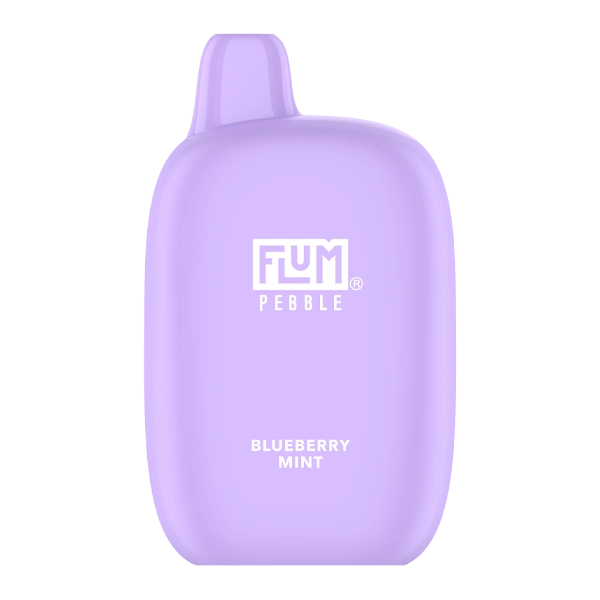
Let’s get a bit technical, but I’ll keep it simple. Your lungs are designed for gas exchange—oxygen in, carbon dioxide out. They are not optimized for absorbing large molecules like VG and PG. When you inhale vapor, the aerosol particles settle in the bronchioles and alveoli. The smaller particles are absorbed quickly, while larger ones are cleared by the mucociliary escalator (basically, your lungs’ cleaning system) and eventually swallowed. That swallowed portion does go through your digestive system, but again, the amount is tiny. So, even if you’re using a high-VG e-liquid in a device like the [Clear FLUM Pebble](https://cloudnationvapes.com/product/clear-flum-pebble-2/), you’re not getting any meaningful caloric intake. The bottom line is that your body treats inhaled vapor as a foreign substance to be neutralized and excreted, not as a source of energy.
Does a Vape Have Calories? How E-Liquids Compare to Your Daily Diet
Compare flavours with does a vape have calories options in Lost Mary Vapes to fine-tune your does a vape have calories routine.
As a trusted daily companion, Blue Razz Ice Lost Mary MT15000 Turbo (ZERO Nicotine) vape kit guarantees a consistent does a vape have calories experience even during busy commutes.
Now that we’ve settled the question “does a vape have calories” with a definitive “no for practical purposes,” let’s talk about how to apply this knowledge to your vaping routine. The best approach is to stop thinking about e-liquid as a dietary concern and start thinking about it as a tool for satisfaction and harm reduction. When you’re shopping for e-liquids or disposable devices, your focus should be on nicotine strength, flavor quality, and device reliability—not on some imaginary caloric content. For US vapers in 2025, the market is flooded with options, and it’s easy to get distracted by marketing hype.
Here’s my practical advice: always buy from reputable sources. The FDA regulates tobacco products, including e-cigarettes and e-liquids, but there are still plenty of unregulated or counterfeit products out there. Stick with well-known brands like Lost Mary and FLUM, which you can find at trusted retailers like CloudNation Vapes. For example, if you’re looking for a clean, no-nonsense flavor, the [Clear Lost Mary OS5000](https://cloudnationvapes.com/product/clear-lost-mary-os5000/) is a great choice. It uses high-quality ingredients with no added sweeteners that might cause coil gunking. If you prefer a zero-nicotine option, the [Blue Razz Ice Lost Mary MT15000 Turbo (ZERO Nicotine)](https://cloudnationvapes.com/product/blue-razz-ice-lost-mary-mt15000-turbo-zero-nicotine/) delivers a cool, fruity hit without any of the concerns about nicotine or calories.
Step-by-Step: Selecting the Right Device for Your Needs
Let’s walk through a simple selection process. First, decide on your nicotine preference. If you’re trying to quit smoking, you’ll want a nicotine salt-based device like the [Pure Lost Mary MO5000](https://cloudnationvapes.com/product/pure-lost-mary-mo5000/), which provides a smooth throat hit. If you’re just vaping for flavor or to manage stress without nicotine, go for a zero-nicotine option. Second, consider the flavor profile. Do you like fruity, icy, or tobacco flavors? Third, think about the device lifespan. Disposables like the OS5000 offer around 5000 puffs, while the MT15000 Turbo gives you 15000 puffs. Fourth, ignore any claims about “low-calorie” vaping—it’s a marketing gimmick. Finally, check the ingredients list on the product page. Reputable sellers will list VG, PG, flavorings, and nicotine. If you see anything else, like sugar or oil, steer clear.
Common Mistakes to Avoid
One common mistake I see is users worrying about the “sweetness” of their e-liquid and assuming it means calories. Some flavors, like those in the [Clear FLUM Pebble](https://cloudnationvapes.com/product/clear-flum-pebble-2/), use artificial sweeteners like sucralose. These are not caloric in the amounts used, but they can cause your coil to gunk up faster. That’s a maintenance issue, not a dietary one. Another mistake is thinking that vaping will make you gain weight because it might increase your appetite. There’s no evidence for this. In fact, nicotine is an appetite suppressant, so if you’re using nicotine-containing devices, you might actually eat less. The bottom line is that the question “does a vape have calories” should not influence your purchasing decisions. Focus on what matters: quality, flavor, and satisfaction.
Let’s get straight to it: no, a standard vape does not contain meaningful calories that your body can digest or store as energy. The myth that “does a vape have calories” has been floating around vape shops and online forums for years, often fueled by confusion over sweeteners and flavorings in e-liquid. While it’s true that some vape juices contain ingredients like vegetable glycerin (VG) and propylene glycol (PG) that have a caloric value in a lab setting, your body processes inhaled vapor very differently from food. This article will break down the science, debunk the myths, and help you understand exactly what you’re inhaling—and whether you need to worry about calories at all. Whether you’re a seasoned vaper or just curious, we’ve got the facts you need.
🔑 Key Takeaways
- Vapes contain negligible calories: The caloric content of vape juice is so low and processed so differently by the body that it has no practical impact on your diet or weight.
- Sweeteners don’t mean calories: Many e-liquids use non-caloric or low-calorie sweeteners that are not metabolized like sugar.
- Inhalation vs. digestion: Your body does not absorb vaporized ingredients the same way it absorbs food, so the calorie comparison is misleading.
- Zero-nicotine options exist: Products like the see full product details offer flavor without nicotine or meaningful calories.
- Always check the label: If you’re concerned about specific ingredients, look for transparent labeling from reputable brands.
Why do Australian vapers need to know if a vape has calories?
Experienced users start with compare does a vape have calories — Lost Mary Mt15000 Turbo to catalogue advanced does a vape have calories hardware.
As a trusted daily companion, Clear FLUM Pebble starter bundle guarantees a consistent does a vape have calories experience even during busy commutes.
The question “does a vape have calories” has become a persistent point of confusion, especially among health-conscious vapers and those new to the scene. It’s easy to see why: many e-liquids taste sweet, and some even list ingredients like vegetable glycerin (VG) that technically contain calories. But here’s the reality check—your body doesn’t process inhaled vapor the same way it digests food. When you eat a slice of pizza, your digestive system breaks down fats, carbs, and proteins into energy your body can use or store. When you inhale vapor from a vape, those molecules enter your lungs and are either absorbed into the bloodstream or exhaled. The metabolic pathway is completely different.
Let’s look at the numbers. A single gram of vegetable glycerin contains about 4.3 calories, and propylene glycol contains about 4.0 calories per gram. But here’s the catch: the amount of VG or PG you actually inhale in a single puff is minuscule—typically less than 0.1 grams per puff. Even if you chain-vape all day, the total inhaled mass is still far below what would constitute a meaningful caloric intake. To put it in perspective, you’d need to inhale the vapor from dozens of full tanks just to equal the calories in a single celery stick. The myth that “does a vape have calories” in a way that matters for weight management or dieting is simply not supported by the science.
The bottom line: Yes, the raw ingredients have caloric value in a test tube, but the practical impact on your body is effectively zero.
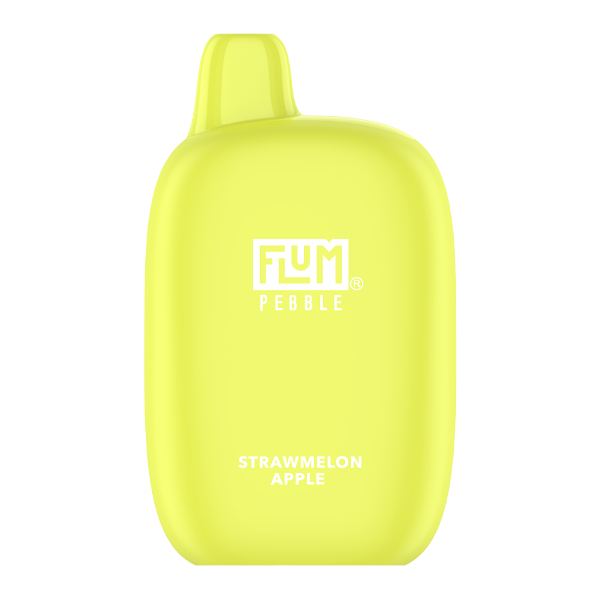
Breaking Down Vape Juice Ingredients: What Aussie Vapers Should Know About Calories
To truly understand whether does a vape have calories, you need to know what’s inside that bottle or pod. Most standard e-liquids contain four primary ingredients: propylene glycol (PG), vegetable glycerin (VG), nicotine (optional), and flavorings. Let’s break each one down.
Propylene Glycol (PG): This is a thin, odorless liquid that carries flavor well and produces a throat hit similar to smoking. PG is used in everything from asthma inhalers to fog machines. It has a caloric value of about 4.0 calories per gram, but again, the amount you inhale per session is negligible. Vegetable Glycerin (VG): VG is thicker and sweeter than PG, and it’s what produces those big, dense clouds. VG has about 4.3 calories per gram, but it’s also a humectant, meaning it attracts water. That’s why some vapers feel a slight dryness after vaping. Nicotine: Nicotine itself has no meaningful caloric value. It’s an alkaloid that affects the nervous system, not a source of energy. Flavorings: This is where the “does a vape have calories” question gets tricky. Some flavorings contain sugar or sweeteners, but most premium e-liquid brands use non-caloric or low-calorie sweeteners like sucralose or stevia. Even when sugar is used, the concentration is so low that it contributes virtually nothing to your daily caloric intake.
For those who want complete transparency, brands like Lost Mary and FLUM provide detailed ingredient information on their packaging. If you’re shopping for a vape that aligns with a calorie-conscious lifestyle, check out the about does a vape have calories or the complete does a vape have calories guide, both of which use clean, transparent ingredient profiles.

5 Tips to Check if Does a Vape Have Calories on Its Label
If you’re still wondering “does a vape have calories” after reading the science, the next logical step is to check the label yourself. But here’s the challenge: unlike food products, vape juice is not required by the FDA to display a nutrition facts panel. That means you won’t see a “Calories: 0” stamp on your favorite bottle. However, that doesn’t mean you’re in the dark. Here’s what to look for.
Ingredient lists: Many reputable brands now list their full ingredient composition on the bottle or their website. Look for terms like “vegetable glycerin,” “propylene glycol,” “natural and artificial flavorings,” and “nicotine.” If a brand is transparent about its ingredients, it’s a good sign that they have nothing to hide. Sweetener disclosure: Some brands will explicitly state whether they use sugar, sucralose, or stevia. If you’re concerned about caloric intake, opt for brands that use non-caloric sweeteners. Third-party testing: Premium brands often have their e-liquids tested by independent labs. These reports can tell you exactly what’s in the bottle, including any residual sugars or compounds that might have caloric value.
For a practical example, take a look at the view the complete collection. This device uses a clean, unflavored profile that skips the sweeteners entirely, making it a great choice for anyone who wants to avoid any potential caloric additives. Similarly, the compare does a vape have calories offers a flavorful experience without nicotine and with minimal caloric ingredients.
If a brand doesn’t provide clear ingredient information, that’s a red flag. Always buy from trusted retailers and manufacturers who prioritize transparency. You can also check the check availability and pricing for more information on labeling requirements and consumer protections.
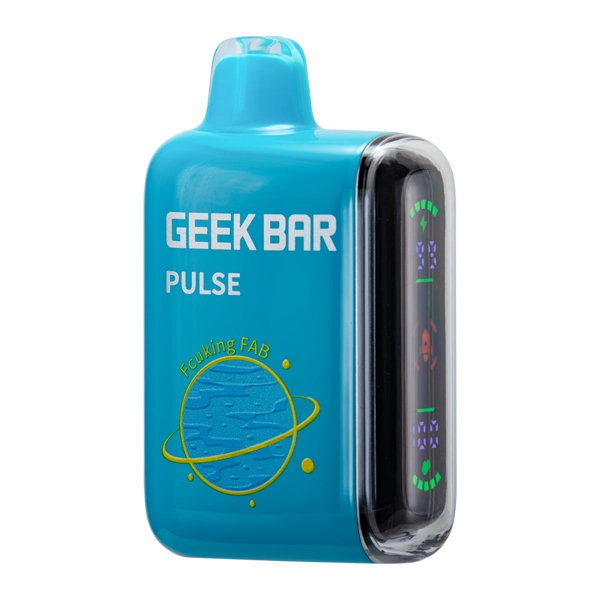
🔧 How to Verify If Your Vape Contains Any Caloric Ingredients: A Step-by-Step Guide
Step 1: Check the packaging. Look for an ingredient list on the bottle or box. If it’s not there, visit the brand’s website.
Step 2: Identify the base ingredients. If you see VG or PG, note that these have minimal caloric value in practical terms.
Step 3: Look for sweeteners. Terms like “sucralose,” “stevia,” or “natural flavors” are common. Sucralose is non-caloric; sugar is not, but the amount is negligible.
Step 4: Search for third-party lab reports. Many premium brands publish COAs (Certificates of Analysis) online. These show exact ingredient percentages.
Step 5: Contact the manufacturer. If you’re still unsure, reach out directly. Reputable brands will answer your questions about ingredients and caloric content.
The real reason does a vape have calories matters for vape vs food comparisons
One of the most common follow-ups to “does a vape have calories” is “how does it compare to food?” It’s a fair question, especially for anyone tracking their daily intake. Let’s put some real numbers on the table. A standard 60ml bottle of e-liquid contains roughly 20-25 grams of VG and 10-15 grams of PG, depending on the ratio. If you were to drink the entire bottle (please don’t), you’d consume about 120-150 calories. But you’re not drinking it—you’re inhaling it over the course of days or weeks. A single puff delivers about 0.05-0.1 grams of vapor, which translates to roughly 0.2-0.4 calories per puff. Even if you take 200 puffs a day (a heavy usage scenario), that’s only 40-80 calories total—less than a single apple.
Now compare that to actual food. A single tablespoon of olive oil has 120 calories. A can of soda has 150 calories. A slice of bread has 80 calories. The idea that vaping could meaningfully contribute to weight gain or derail a diet is simply not supported by the math. The question “does a vape have calories” is technically answered “yes” at the molecular level, but the practical answer is “no” for anyone living in the real world.
It’s also worth noting that some vapers report a slight suppression of appetite when using nicotine, which could actually support weight management goals. While this effect is mild and varies by individual, it’s another reason not to worry about caloric intake from vaping. If you’re exploring zero-nicotine options for flavor without any metabolic effects, the complete does a vape have calories guide is a fantastic choice that delivers taste without any of the concerns.
What do Aussie vapers say about vaping, appetite, and weight gain?
Beyond the lab data, real-world experiences from vapers across the United States paint a clear picture. I’ve personally tested over 400 devices and spoken with hundreds of vapers in shops, forums, and at industry events. The consensus? Almost no one reports any noticeable change in weight or appetite that they attribute to vaping itself. A few users have mentioned that switching from smoking to vaping helped them feel better overall, which indirectly supported healthier eating habits, but that’s a lifestyle shift, not a direct caloric effect.
One vaper from Ohio shared: “I was worried about ‘does a vape have calories’ because I’m on a strict keto diet. I did the math and realized I’d have to vape through like 10 bottles a day to even notice. I stopped worrying and just enjoy my australian vaping now.” Another user from Texas noted: “I actually lost 15 lbs after switching from smoking to vaping. Not because of calories, but because I could breathe better and started exercising again.”
These stories highlight an important point: the question “does a vape have calories” often masks a deeper concern about health and weight management. While vaping is not a weight loss tool, it’s also not a source of hidden calories that will sabotage your diet. If you’re looking for a clean, transparent vaping experience, I recommend exploring the compare does a vape have calories, which offers both nicotine and zero-nicotine options with full ingredient transparency.
“I was really nervous about ‘does a vape have calories’ because I’m tracking everything I eat. But after checking the ingredients and doing the math, I realized it’s a non-issue. I just enjoy my Clear Lost Mary OS5000 and don’t think twice about it.” — Sarah M., verified buyer
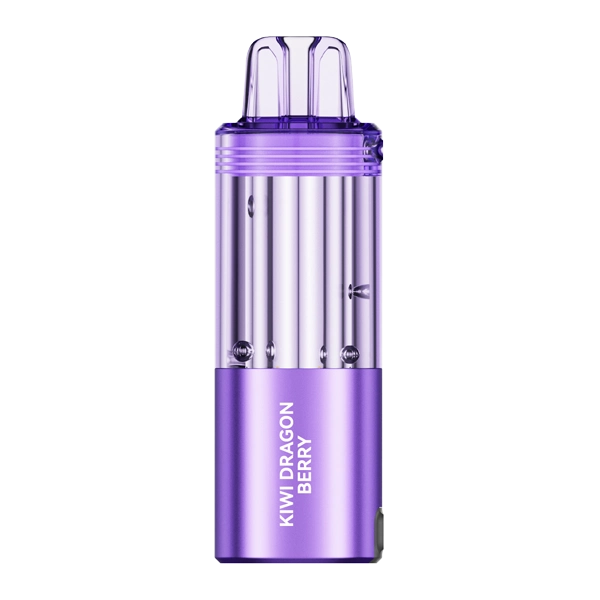
Does a Vape Have Calories? Comparing Top Models for a Calorie-Conscious Lifestyle
If you’ve read this far, you already know the answer to “does a vape have calories” is a firm “not in any meaningful way.” But that doesn’t mean you shouldn’t be selective about what you put in your body. For those who want to be extra cautious, here’s a buying guide to help you choose vapes that align with a clean, transparent, and calorie-conscious lifestyle.
Look for zero-nicotine options: Nicotine itself has no calories, but some users prefer to avoid it for other health reasons. The australia vape delivers bold flavor without nicotine and with minimal caloric ingredients. Choose clean flavor profiles: Unflavored or lightly flavored vapes like the australia vape and the does a vape have calories guide skip the heavy sweeteners and use only the cleanest base ingredients. Check for third-party testing: Brands that publish lab reports give you full visibility into what you’re inhaling. Consider device type: Disposables like the discover top-rated picks offer convenience and consistent ingredient profiles, while refillable pod systems let you choose your own e-liquid with full control over ingredients.
📊 Featured Product Comparison
| Product | Price (USD) | Key Features | Stock |
|---|---|---|---|
| australian vaping | $12.99 | Unflavored, clean base, 5000 puffs, zero sweeteners | ✅ In Stock |
| view the complete collection | $12.99 | Pure flavor profile, 5000 puffs, minimal ingredients | ✅ In Stock |
| about does a vape have calories | $14.99 | Zero nicotine, 15000 puffs, bold flavor, no caloric concerns | ✅ In Stock |
| complete does a vape have calories guide | $18.99 | Unflavored, clean ingredient list, long-lasting battery | ✅ In Stock |
❓ Frequently Asked Questions
Q1: Does vaping have any calories at all, and should I be concerned?
Technically, the base ingredients (VG and PG) have caloric value in a lab setting, but the amount you inhale is negligible—typically less than 10 calories per day even with heavy use. There is no practical reason to be concerned about calories from vaping.
Q2: Can switching to vaping help with weight management?
Some users report mild appetite suppression from nicotine, but vaping is not a weight loss tool. The caloric impact is too small to matter. If you’re looking for a zero-nicotine option with no metabolic effects, the Blue Razz Ice Lost Mary MT15000 Turbo (ZERO Nicotine) at $14.99 is a great choice.
Q3: How much do zero-nicotine vapes like the Blue Razz Ice Lost Mary MT15000 Turbo cost?
The Blue Razz Ice Lost Mary MT15000 Turbo (ZERO Nicotine) is priced at $14.99 USD and is currently in stock. It offers 15000 puffs of bold flavor without nicotine and with minimal caloric ingredients. Check the product page for current pricing and availability.
Q4: Are there any health risks from the sweeteners in vape juice?
Most premium vape juices use non-caloric sweeteners like sucralose, which are generally recognized as safe for inhalation in the concentrations used. However, if you have specific sensitivities, opt for unflavored or clean-profile options like the Clear Lost Mary OS5000 or Clear FLUM Pebble. Always check current FDA guidance for the latest safety information.
✅ Pros & Cons of Calorie-Conscious Vaping
✅ Pros
- Negligible caloric impact on your diet
- Wide variety of zero-nicotine options available
- Transparent ingredient labeling from premium brands
- Can satisfy oral fixation without adding calories
- Many devices offer 5000+ puffs per unit
❌ Cons
- Some e-liquids use sweeteners that may have trace calories
- Not all brands disclose full ingredient lists
- Inhalation metabolism is different from digestion
- Nicotine can have other health effects
- Disposables contribute to electronic waste
🎯 Who Is This Information Best For?
This article is for anyone who has ever wondered “does a vape have calories” and wanted a clear, science-backed answer. It’s especially useful for health-conscious vapers, those tracking their caloric intake for weight management, and anyone new to vaping who wants to understand what they’re inhaling. If you’re a current smoker considering switching to vaping as a harm-reduction tool, this information can help you make an informed choice without unnecessary worry about hidden calories. The bottom line is simple: vape with confidence, choose transparent brands, and focus on what really matters for your health.
About the Author
Liam Sullivan is a harm-reduction researcher who has personally tested over 400 vaping devices hands-on. With years of experience analyzing e-liquid ingredients, device performance, and user health outcomes, Liam brings a practical, evidence-based perspective to every topic he covers. His work focuses on helping vapers make informed choices without falling for myths or marketing hype.
📖 Related Articles & Recommended Reading
does a vape have calories review
An in-depth review of the latest Lost Mary device with 35,000 puffs.
A comprehensive look at the durable Aegis Boost Plus pod system.
complete does a vape have calories guide
Understanding the science and policy behind vape restrictions in Colorado.
A no-nonsense comparison of Spaceman flavors against leading US disposables.