
Blog
The Ultimate Guide to Foger Battery Performance and Device Longevity

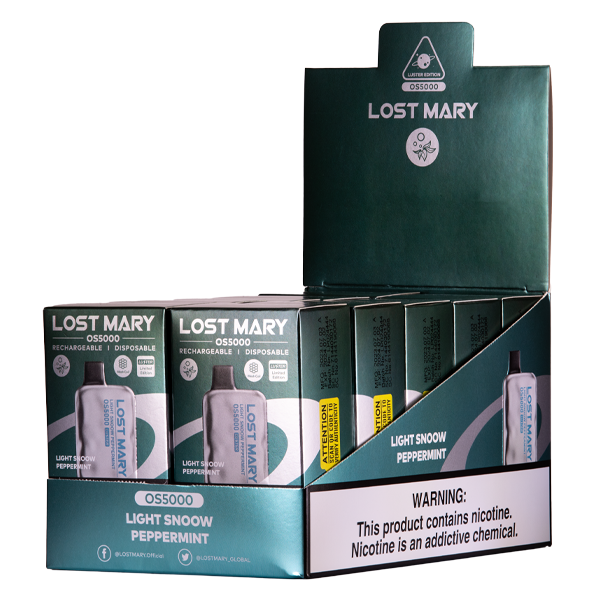
If you’ve shopped for a Foger device, you’ve probably wondered what’s actually inside that sleek base or disposable shell powering each puff. A foger battery is the rechargeable lithium-ion (Li-ion) cell built into Foger vaping hardware — either as the integrated cell inside Foger BIT disposables or as the removable, USB-C rechargeable cell housed in the modular base of the about foger battery. Most Foger batteries fall in the 650–850mAh range and charge via USB-C at standard 5V/1A. This guide explains how they work, how long they last, how to maintain them, and how to troubleshoot common issues.
- Cell Type: Rechargeable lithium-ion, integrated (disposables) or housed in a reusable base (Switch Pro).
- Typical Capacity: 650–850mAh depending on model.
- Charging: USB-C port, 5V/1A standard wall adapter or computer USB.
- Lifespan: Hundreds of charge cycles when kept between 20%–80% charge and out of extreme heat.
- Everything You Need to Know About Foger Battery Technology
- Are Foger Batteries Really Worth the Hype?
- How to Get the Most Out of Your Foger Battery: Pro Tips for Longevity
- Which Foger Battery Actually Lasts the Longest?
- Everything You Need to Know Before Buying Your Next Foger Battery
- Everything You Need To Know About Your Foger Battery
Content Table:
Everything You Need to Know About Foger Battery Technology
The term “foger battery” refers to the lithium-ion power cell inside a Foger-brand vaping device. There are two main configurations:
- Integrated disposable cells: Built into single-use units like the Foger BIT. The battery, e-liquid, and coil are sealed in one housing. Once the e-liquid is depleted, the entire unit is disposed of.
- Modular rechargeable cells: Found in the foger battery review, where a reusable battery base accepts replaceable flavor pods. This design lets the cell be recharged many times before retirement.
The lithium-ion chemistry inside delivers the steady current needed to heat the mesh coil and vaporize e-liquid. Battery safety is regulated under federal e-cigarette guidelines; the FDA’s guidance on electronic nicotine delivery systems covers manufacturing standards, and the CDC’s resources on e-cigarettes cover public health considerations. Use only manufacturer-supplied cables and adapters rated for the device’s input specs.
Are Foger Batteries Really Worth the Hype?
Foger’s current devices use a regulated discharge circuit so voltage stays relatively stable as the cell drains, which helps avoid the weak final puffs common in cheaper unregulated disposables. The modular base in the Switch Pro line uses a built-in battery management system (BMS) that handles over-charge cutoff, over-discharge protection, and short-circuit detection.
Charging is handled through a USB-C port. A standard 5V/1A wall adapter or a computer USB port is the recommended input. Higher-wattage fast chargers designed for laptops or phones can deliver more current than the small charging circuit is rated for and may shorten battery life.
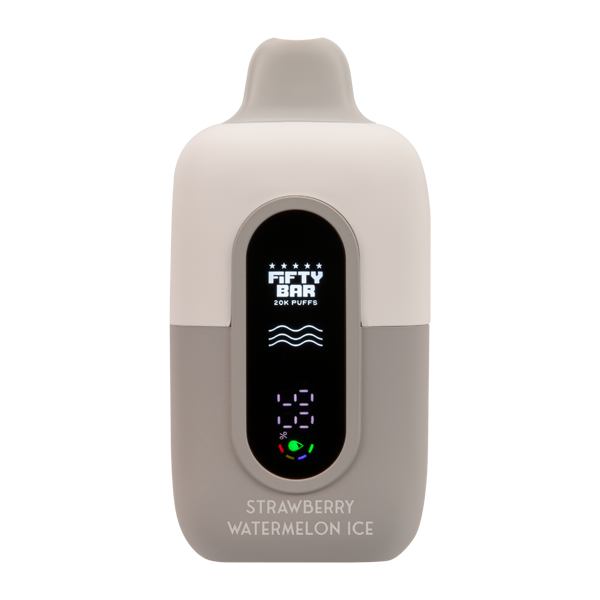
Many newer Foger devices include a small LED or screen showing battery status — usually a percentage or a colored indicator. Checking this regularly is more reliable than guessing from puff feel.
How to Get the Most Out of Your Foger Battery: Pro Tips for Longevity
Lithium-ion cells last longest when treated within their comfort zone. A few simple habits make a noticeable difference:
- Initial charge: When you open a new kit, charge the base fully before first use so the BMS can calibrate the charge level reading.
- Stay in the middle range: Try to keep the battery between roughly 20% and 80%. Frequently running it to 0% causes more wear than topping off earlier.
- Use the right charger: Stick to a 5V/1A adapter or a standard USB port. Avoid high-wattage PD chargers.
- Keep contacts clean: Every couple of weeks, wipe the metal contact points between the base and the foger battery tips with a dry cotton swab or lint-free cloth.
- Avoid heat: Don’t leave the device in a hot car, in direct sunlight, or near a stove. Heat is the single biggest cause of premature capacity loss.
- Storage: If you won’t use the device for a few weeks, store it at roughly 50% charge in a cool, dry place.
Which Foger Battery Actually Lasts the Longest?
Specs vary across the Foger lineup. The table below summarizes the main configurations based on publicly listed product specifications:
| Model | Battery (mAh) | Rated Puffs | Charge Time | Coil |
|---|---|---|---|---|
| Foger BIT (disposable) | 850 | Up to ~20,000 | ~45–60 min | Dual mesh |
| Switch Pro Kit 30K (base) | 650 | Up to 30,000 (with pods) | ~45 min | Mesh (in pod) |
| Switch Pro Disposable | 650 | ~15,000 | ~45 min | Mesh |
Actual figures depend on user draw length, wattage, and ambient conditions. Always check the spec sheet on the specific product page before purchase.
Everything You Need to Know Before Buying Your Next Foger Battery
When choosing between Foger options, two questions usually settle the decision:
- How often do you vape? Heavy daily users benefit most from a modular system like the foger battery review, where one rechargeable base outlasts many disposable units and reduces e-waste.
- How much do you value simplicity? Occasional users may prefer all-in-one disposables in the foger battery tips category — no charging accessories, no pod swaps.
Whichever route you take, buy from an authorized retailer. Counterfeit vape hardware often uses unprotected cells without proper BMS circuitry, which is the leading cause of vape battery incidents reported to consumer safety agencies.
Everything You Need To Know About Your Foger Battery
Q: Why is my Foger battery light blinking?
A: A blinking LED usually signals one of three states: low battery (most common — connect to a charger), no airflow detected or a stuck button, or a pod/coil connection issue. If blinking continues after a full charge, remove and reseat the pod, then clean the contact pins with a dry swab. Persistent blinking with no draw typically means end-of-life.
Q: How long does a full charge last?
A: For a 650–850mAh Foger cell, a full charge typically supports several hundred puffs — usually one to two days of moderate use. Heavy users may need to recharge daily. Battery runtime depends on puff length, draw frequency, and how warm the device is kept, since heat increases internal resistance.
Q: Can I replace the battery in my Foger device?
A: No. Foger batteries are sealed inside the device housing and are not user-replaceable. Attempting to open the unit voids the warranty and risks puncturing the lithium-ion cell. When the battery reaches end-of-life, drop the entire device at an authorized e-waste or battery recycling location rather than in household trash.
Q: My Foger won’t charge — what should I check?
A: First, try a different USB-C cable and a standard 5V/1A wall adapter or computer USB port. Inspect the charging port for lint or e-liquid residue and clean gently with a dry toothpick. If the LED still doesn’t respond after 15 minutes on a known-good charger, the battery has likely failed and the device should be recycled.
Understanding how your foger battery works — its capacity, charging requirements, and care routine — is the simplest way to get full value from any Foger device. Stick to the manufacturer’s charging specs, keep the cell out of extreme heat, and recycle responsibly at end-of-life. Those three habits cover roughly 90% of common battery problems before they start.